VAT is included in the price, what you pay is what it costs when delivered. No extra taxes or customs.
Buying RC car tools shouldn't mean guessing which sizes you need or wasting money on sets full of stuff you'll never use. The good news? Just a handful of tools take care of about 90% of all fasteners across nearly every RC car on the market, from 1:12 pan cars to 1:8 monster trucks.
This guide breaks down the exact hex driver and nut driver sizes your cars require, explains when metric versus imperial matters, and helps you decide between budget and premium tool sets. You'll also get recommendations from our EuroRC race team based on over a decade of track-side testing.
Modern RC cars use 4 metric hex sizes, which work across all types of RC vehicles, from touring cars to buggies to crawlers.
Here's what each size typically handles:
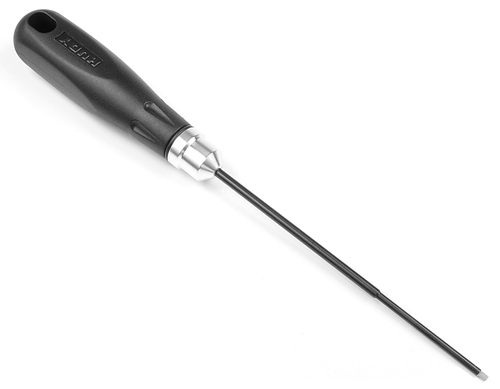
The 1.5mm hex driver works on small grub screws like those securing pinion gears to motor shafts. It's the smallest and most delicate of the set, so having a quality tool here really matters. A worn 1.5mm tip will strip these tiny screws faster than any other size.
Your 2.0mm hex driver gets the most use. It fits the majority of body mount screws, suspension arm pins, and general hardware. If you only buy one high-quality hex tool, make it this one.


The 2.5mm hex driver handles suspension components, shock tower mounting screws, and chassis braces. You'll reach for this when working on anything structural.
For motor mounts, diff covers, and larger hardware, the 3.0mm hex driver does the job. It's also common on 1:8 scale buggy and truggy applications.

Quality matters more than quantity with hex tools. A precision-machined tip made from hardened steel won't round off screw heads the way cheap soft alloy L-keys can. Sand and mud on screw heads wear tips down over time, so look for tools with replaceable tips when you're ready to invest in a quality set.
Browse our full selection of hex tools to find what fits your needs.


Two nut driver sizes cover 90% of RC applications:
The 5.5mm nut driver fits M3 nuts, which appear on shock mounts, servo horns, and small fasteners throughout most RC cars. It's the size you'll use most often during assembly and track-side repairs.
Your 7.0mm nut driver works with M4 nuts found on wheel hexes, larger structural components, and some axle assemblies. Touring car and buggy racers grab this one frequently.


Socket-style drivers are faster than box wrenches for pit work because they slide over the nut from above. When you're making quick adjustments between heats, those few seconds add up.
If you race 1:8 scale buggies or truggies, add an 8.0mm nut driver and a 17mm wheel nut wrench to your kit. The 17mm wheel wrench is essential since 1:8 scale cars use locknut-style wheel hexes that need a proper wrench to remove.
For micro crawlers like the SCX24 or Traxxas TRX-4M, a 4.0mm nut driver comes in handy for the smaller hardware these rigs use.
Check out our complete range of nut drivers and wheel wrenches to find the right sizes for your cars.


Most modern RC cars use metric hex screws, but some brands still require imperial (SAE) sizes. Knowing which your car uses saves you from buying tools you don't need.
Brands that use metric only include Xray, Yokomo, Tekno RC, Arrma (newer models), Team Corally, and most European and Asian manufacturers. If you run any of these, a standard metric tool set covers everything.
Imperial or mixed hardware shows up in some Team Associated vehicles, certain Losi kits, and older American-made RC cars. Common imperial sizes include 5/64" (close to 2.0mm), 3/32" (around 2.4mm), and 1/16" (roughly 1.6mm). The sizes are similar to metric but not quite interchangeable, and using the wrong driver will round off screws over time.
Here's a practical approach: start with a metric set since that covers the majority of cars. Only add imperial tools if your specific vehicle requires them. Before buying any tools, check your car's manual or exploded parts diagram to see exactly what sizes it uses.
Our guide on using RC car manuals explains how to read these diagrams. For Traxxas vehicles specifically, the Traxxas spare parts and exploded view sheets article walks you through finding the right information.
A dedicated shock tool holds the shock shaft firmly without scratching, which cause seal damage. Once those seals start leaking oil, your damping becomes inconsistent and you'll burn through shock oil faster. A proper shock plier with smooth jaws prevents this entirely.


There are a few different shock tool types worth knowing about:
For a step-by-step walkthrough of shock rebuilding, our guide on how to fill RC shocks with oil covers the entire process. You'll also want to read our RC shock oil guide to understand viscosity choices, and grab the right weight from our shock oils selection.
Beyond hex drivers and nut drivers, the specialty tools below handle most remaining jobs and round out a complete RC tool set and make specific tasks much easier.
Turnbuckle wrenches adjust suspension link length for camber and toe settings. You can use pliers in a pinch, but they mar the turnbuckle flats and make precise adjustments harder. A proper turnbuckle wrench in the 3.0mm to 5.5mm flat range grips securely without damaging the aluminum. For racers who adjust suspension geometry frequently (and you should be), this tool pays for itself in saved frustration.

Pointed pliers handle e-clips, body clips, and pulling tight connectors. The needle nose design reaches into tight spots that fingers can't. A good pair with spring-loaded handles reduces hand fatigue during long build sessions.
Body scissors cut polycarbonate Lexan shells cleanly. The curved blade follows body contours better than straight scissors, giving you cleaner trim lines. Our guide on how to cut and mount a touring car body shows proper technique.
A craft knife handles detail work, trimming decals, and cleaning up edges. Keep spare blades on hand since dull knives cause ragged cuts. Body reamers punch clean mounting holes in Lexan without cracking, though a sharp drill bit works too.
See our full range of body and cutting tools for options.
Entry-level tool sets cost €30 to €60 and cover the basics, while premium kits from Hudy or MIP run €150 to €250 but include replaceable tips and harder steel. The right choice depends on how often you wrench on your cars.
These work for beginners, occasional bashers, and first-time kit builders. A typical set includes basic hex drivers in the 4 standard sizes, maybe a couple nut drivers, and sometimes a carrying case. The steel is softer, so tips wear faster. Expect to replace the set every year or two with regular use. Brands like Protek RC and Team Integy offer solid entry-level options. For someone who isn't sure how deep they'll get into the RC hobby, starting here makes sense.
Regular hobbyists and club racers land here. These sets use better steel alloys, often include all the hex sizes plus nut drivers in a carrying case, and many offer replaceable tips. The precision is noticeably better than budget tools, and they'll last 3 to 5 years. Arrowmax AM series sets hit this sweet spot nicely. If you own multiple cars or race occasionally, this tier offers the best value.
Competition racers and heavy users benefit most from high-quality precision tools. A complete tool set with carrying bag from Hudy includes every size you need, with hardened steel hex tips that last 8 to 10 years. MIP makes comparable tools that many World Championship-level racers use. The ergonomic handles reduce fatigue during long build sessions, and the machined tips fit screws precisely. For hex drivers you use constantly, the investment pays off within a year.


Our recommendation: start with mid-range if you're serious about the hobby. Upgrade individual tools to premium as they wear out. The 2.0mm and 1.5mm hex drivers see the most use, so those are good candidates for premium replacements first.
Browse complete RC tool sets to compare options, or explore our broader tools and tuning category.
1/10 and 1/8 scale cars share the same hex driver sizes, but 1/8 scale adds larger nut drivers and wheel wrenches to the list. Knowing what each scale requires helps you buy only what you need.
The standard hex driver set (1.5, 2.0, 2.5, 3.0mm) covers 1/10 on-road touring cars, buggies, short course trucks, and most bashers. Nut drivers in 5.5mm and 7.0mm handle the hardware. Wheel nuts on 1/10 scale cars typically hand-tighten, so you don't need a wheel wrench. This scale represents most hobby-grade RC cars on the market.
For 1/8 off-road kits like buggies and truggies, add an 8.0mm nut driver for larger nuts. A 17mm wheel wrench becomes essential since these cars use locknut-style wheel hexes. Turnbuckle wrenches in larger sizes (5.0mm to 5.5mm flats) fit the bigger suspension links common on 1/8 vehicles.
Pan cars and micro crawlers use the same hex sizes but may need a 4.0mm nut driver for certain applications. Some micro crawlers like the TRX-4M use unusual sizes like 0.9mm and 1.27mm hex, though these are less common.
If you own cars across multiple scales, a complete tool set covers everything without needing separate kits.
The accessories below make track-side repairs faster and prevent lost parts. They may seem optional until you lose a tiny screw in the grass at an outdoor track.
A pit mat protects your work surface and provides a clean, defined area for wrenching. The mat rolls up for transport and keeps small parts from rolling away. Most have printed graphics, but the real benefit is having a clean, soft surface anywhere you work.


A magnetic screw tray or small parts organizer keeps screws sorted during disassembly. The magnet holds steel screws in place, so you're not chasing them across the table. Some racers use color coded trays to separate screws by size during teardowns.
A car stand lifts your vehicle for easier access underneath. Many rotate 360 degrees so you can work on all sides without repositioning. Higher-end stands include wheel height adjusters and droop gauges for suspension setup. Even a basic stand makes shock changes and diff maintenance much easier.
Double-sided tape handles mounting electronics, securing receiver antennas, and dozens of other tasks. Keep a roll in your pit bag at all times.
A cleaning brush removes dirt and mud after each session. Regular cleaning extends the life of bearings, gears, and electronics. Our guide on how to clean your RC car properly covers the full process.

Don't forget spare batteries for your transmitter and a selection of spare screws matching your car. If you strip a screw head at the track, having replacements saves your day. For more track-day preparation tips, check out our article on preparing for a race day.
Your toolbox needs 4 types of fluids along with other supplies needed to keep your RC car in tip-top shape. Running out of any of these at the wrong time can end your day at the track.
Shock oils come in different weights measured in cSt or WT. Keep your car's stock weight on hand since running shocks dry (or with the wrong viscosity) causes poor handling. Most 1/10 touring cars run 25-35wt, while buggies often use 30-40wt. Check your manual for recommendations.


Differential oils vary by front, center, and rear differential. Front diffs usually run lighter oil for steering response, while rear diffs use thicker oil for traction. Our differential oil guide explains the reasoning and offers starting points for different vehicle types.
A drop of bearing oil after cleaning extends bearing life significantly. Clean bearings with motor spray, let them dry, then add oil before reinstalling. This simple step can double the lifespan of your bearings, which adds up to real savings over time.
Blue threadlocker (medium strength) secures set screws on pinion gears, axle grubs, and other fasteners that need to stay put but still come apart later. Our article on how threadlocker is used covers when and where to apply it.
Tire glue (CA glue) mounts tires to wheels and handles repairs. Racers go through this regularly. Our guide on how to glue your tires shows proper technique.
Brake cleaner or degreaser cleans parts before servicing. It evaporates quickly and leaves no residue, making it ideal for degreasing gears, diffs, and bearings.
For a complete walkthrough of keeping your vehicle in top shape, read our basic car maintenance guide.
Premium tools from Hudy and MIP use harder steel that won't round off or strip screw heads. The tips last 5 to 10 times longer than budget alternatives. Most premium tools have replaceable hex tips, so you only replace the worn part. For hex drivers you use constantly, the investment pays off within a year of regular use.
Building a kit car requires 4 hex drivers (1.5, 2.0, 2.5, 3.0mm), 2 nut drivers (5.5, 7.0mm), needle-nose pliers, side cutters, and scissors for the body. Some Tamiya kits use JIS cross-head screwdriver bits instead of hex, so check your manual before buying. A shock stand helps during suspension assembly.
Electric and nitro cars share the same hex and nut driver sizes. Nitro cars add specific needs: a glow plug wrench, flywheel tool, and clutch nut tool. For electric cars, a solder iron and heat shrink become useful for connector changes. Otherwise, the basic tool set works for both power types.
A worn tip slips or spins in the screw head instead of gripping firmly. You may need more downward pressure than before. Visible rounding on the tip corners means it's time to replace the tip immediately. Continuing to use worn tips strips expensive titanium screws on your car, costing more than replacement tips.
Start by checking your car's manual for the exact hex and nut driver sizes it requires. Most manufacturers list these in the first few pages or on their website's parts diagrams. Write down what you need before shopping so you don't overbuy or miss something critical.
Order your core tools first: a 2.0mm hex driver, 5.5mm nut driver, and a set of pointed pliers will handle most jobs on day one. Add shock tools and specialty items as you tackle more advanced maintenance. Our tools and tuning category has everything organized by type, making it easy to find exactly what your build needs.