

Ultimate RC Carpet Racing Guide for 2026: Best Cars, Classes, and Gear Explained
5.1.2026

RC carpet racing guide for 2026. Learn the best cars, classes, tires, electronics, and setup tips for indoor winter racing on high-grip carpet tracks.
Winter makes outdoor RC racing difficult. But that doesn’t mean the fun has to stop. You can switch to carpet racing on Ozite tracks, which provide stable handling and nonstop racing.
Ready to race? Let’s break down the top classes, best cars, and gear you’ll need. You’ll be faster, more prepared, and fully ready to take on the carpet track.
Let’s start!
What Are the Best Entry-Level Touring Cars?
Entry-level touring cars are a favorite among indoor carpet racers. They’re simpler to set up than buggies and more forgiving while you’re learning to drive at speed.
Among all the options, the Tamiya TT-02 Series is our top favorite. Let’s find out why.
Best for Beginners – Tamiya TT-02 Series
I’ve watched first-time racers bring their Tamiya TT-02 indoors once winter hits. This series is a simple choice for beginners. You build it yourself, which means you actually understand how everything fits together and works.
It costs around $150-$200, can take a beating on carpet without breaking down, and the Tamiya parts are everywhere. But when you get serious about lap times, you’ll notice it doesn’t corner as sharply as the pricier chassis.
But for learning weight balance, gearing, and the basics of racing, the Tamiya Porsche 911 Carrera RSR TT-02 gives you everything you need before spending more money.


Best Sport-Level Touring Cars for Carpet Racing
Once you’ve outgrown your beginner chassis but aren’t ready to drop $500 on a full competition rig, sport-level touring cars fill that gap perfectly. These mid-range options give you better handling and tuning capability without breaking the bank.
Xpress Execute Series
The Xpress Execute line sits right in that sweet spot between beginner kits and serious race cars. Its belt-driven 4WD system gives you better traction on carpet than shaft-drive setups, and the tuning options let you adjust camber, toe, and ride height without buying extra parts.
I really recommend the Xpress Execute XQ3S from this series. At just around $300, it can handle club-level winter racing without the $500-plus price tag of competition chassis.

Top Competition-Level 1/10 Touring Cars
When you’re ready to compete at the highest level of indoor carpet racing, the XRAY X4 Series and Xpress Arrow AT1 separate fast drivers from truly competitive ones. They take patience to set up, but the payoff is worth it if you're chasing wins in serious winter racing.
XRAY X4 Series
The first time I saw an X4 at a winter regional, it immediately made sense why this chassis has won more carpet championships than anything else on the market. Every adjustment you make actually changes how the car behaves, which is a real challenge with a lesser chassis. The parts are also really accessible.

For this series, try the latest graphite version: the XRAY X4'25 (Graphite Chassis).
But here’s the thing: if you don’t already understand suspension geometry and diff tuning, you’ll get lost in the setup options.
Other Competition Touring Car Option: Xpress Arrow AT1
Among competition alternatives, the Xpress Arrow AT1 deserves a mention for racers who want championship-level performance without the XRAY price tag. The Xpress Arrow AT1 1/10 Competition Shaft Drive Touring Car uses shaft-drive instead of belt-drive, which some indoor racers prefer for consistency on high-grip surfaces.
Best 1/10 Off-Road Buggies for Carpet Racing
Buggies require more driver skill than touring cars but offer a different challenge. Their jumping and traction work well on carpet once you make the right setup changes.
Let’s go into detail about the best 1/10 off-road buggies.
XRAY XB2 (2WD) & XB4 (4WD) Series
The XRAY XB2 (2WD) and XB4 (4WD) Series feature lower ride heights than their dirt cousins, with stiffer suspension and specialized foam tires instead of pin-style rubber.
XRAY offers factory carpet editions that come pre-configured for indoor racing, saving you hours of setup time. In terms of difficulty, the XRAY XB2C 2WD Carpet is easier to drive than the XRAY Body for 1/10 4WD Off-Road Buggy, which requires more precise throttle control.

Is 1/12 Pan Car Racing Right for You?
Pan cars like the XRAY X12 Series represent the most technical form of indoor carpet racing, demanding smooth inputs and precise lines that punish mistakes instantly. This class is for skilled drivers seeking the ultimate challenge.
XRAY X12 Series
The first time I tried driving a pan car during an indoor winter series, I spun out 3 times in the first lap because everything happened so fast and unforgiving. A rigid pan chassis, direct steering, and foam tires mean instant response and zero margin for sloppy inputs.
I only recommend this to those who have already spent a season racing touring cars or buggies and understand racing lines. So if that description fits you, check out the XRAY X12'25 1/12 Pan Car Kit.
What About the Best 1/10 Formula Cars for Carpet Racing?
Formula cars bring pen-wheel racing to a different kind of winter challenge. The tires, exposed wheels, and lightweight demand a smooth, precise driving technique.
XRAY X1 Series
The XRAY X1 Series handles differently than anything else on carpet due to its exposed wheels and weight distribution. The setup is extremely sensitive (a millimeter change in ride height can affect lap times), and the driving required falls right between touring car and pan truck difficulty.
Note: It is much better to have touring car experience first, and then you can try the XRAY X1'25 1/10 Luxury Electric Formula Kit.

Is 1/8 On-Road Carpet Racing (GT Class) Worth It?
Yes, get 1/8 scale GT cars if you’ve got a large indoor facility to escape the winter cold. These RC vehicles offer greater stability and power than 1/10-scale models.
They need a bigger room, though. Smaller carpet tracks won’t accommodate them properly, and you’ll spend more on everything from tires to batteries.
What Tires Work Best for Carpet RC Racing?
The right RC tire matters because the right shore rating and type directly affect your lap times more than suspension adjustments. Let’s find out why.
Touring Car Rubber Tires
Shore ratings confused me at first until someone explained it simply: lower numbers mean softer, grippier rubber. On high-grip surfaces, most racers run 28-32 shore for winter racing. I’ve had good results with Team Corally Attack RXC V2 Carpet, which balances grip and tire wear across long indoor race days.

Touring Car Foam
For ultimate grip on high-traction carpet, foam tires outperform rubber but wear out faster. We need to point out that foam becomes the preferred choice when winter series racing gets competitive, and you need maximum corner speed. The Team Corally Attack Foam 1/10 GP Touring 35 Shore Rear 30mm works well on most indoor tracks with moderate grip.
1/12 & Formula
Pan cars and formula cars only run foam tires, period. There’s no rubber option because the grip levels wouldn’t work with how these chassis are designed. I’ve found that starting with mid-range compounds like the Team Corally Attack Foam 1/12 Circuit 32 Shore Front (Magenta) helps you manage long winter practice sessions.

What Is the Typical Touring Car Progression? (Quick Comparison Table)
Understanding the progression across chassis levels helps you make smart upgrade decisions for indoor racing in winter. This comparison table breaks down the key differences:
Chassis Level | Car | Typical Budget | Skill Level | Class Eligibility | Upgrade Potential |
Beginner | Tamiya TT-02 Series | €150-200 | Novice | Entry class | Limited, better to upgrade the chassis |
Sport | Xpress Execute XQ3S | €300-350 | Intermediate | Club racing | Moderate, hop-ups available |
Sport+ | Xpress Execute XQ11 | €350-400 | Advanced club | Competitive club | Good, factory option parts |
Competition | XRAY X4'25 | €500-600 | Expert | National/regional | Extensive, full race support |
Competition FWD | XRAY X4F'25 | €500-600 | Expert | FWD class competition | Extensive, dedicated FWD setup |
In terms of making the jump between levels, most racers spend at least one full winter season at each level before moving up.
What Tire Additives and Traction Compounds Should You Use on Carpet Tracks?
Here’s where things get tricky: tire additives increase grip, but every track has different rules about what’s legal. Some facilities ban them completely, while others only allow specific brands.
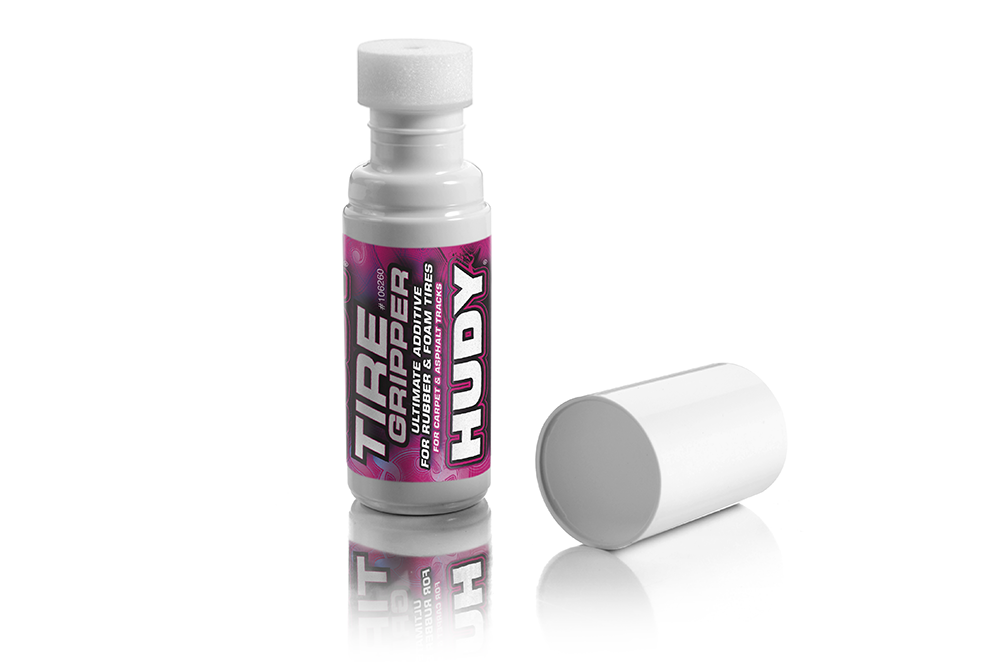
Make sure to always check your local track rules first. When they’re allowed, products like HUDY tire additive carpet gripper 50ml work well on foam wheels for high-grip racing conditions.
What Racing Electronics Work Best for RC Carpet Racing?
On high-grip indoor carpet, consistent power delivery matters more than raw speed. This is because traction is maxed out. When you’re racing through winter, smooth throttle response and reliable performance across long main events separate winning electronics from flashy specs.
Competition ESCs
In terms of indoor racing classes, blinky refers to spec racing with motor timing restrictions, while modified allows unrestricted motor timing.
You should know that most winter carpet series run blinky class. The Hobbywing Quicrun 10BL60 Sensored ESC works well for entry-level blinky competition.

Competition Motors
Spec motors typically use 13.5T or 17.5T ratings (higher numbers mean less power), while modified runs whatever you want. Most winter series stick with 13.5T blinky to keep costs reasonable. Check out the Muchmore FLETA ZX V2 5.5T if you want a strong performance for modified classes.

How Do Touring Car Bodies Affect Carpet Racing Performance?
Choosing the right body affects how much downforce and side-bite your car has on the surface. For example, lightweight bodies (0.5mm thickness) respond faster to steering inputs but can flex too much at high speed, while regular bodies (0.7mm) provide more stability.
Review our RC car body size chart guide for proper fit.
How Do Touring Car Racing Levels Compare? (Comparison Table Summary)
This quick reference shows how different chassis levels stack up for winter racing. Use it to identify where you fit and what makes sense for your next upgrade.
Level | Car | Price Range | Best For | Key Features |
Beginner | Tamiya TT-02 Series | €150-200 | Learning to build, first races | Parts availability, durability |
Sport | Xpress Execute XQ3S | €300-350 | Club racing, improving skills | Belt-drive 4WD, adjustability |
Sport+ | Xpress Execute XQ11 | €350-400 | Competitive club racing | Factory option parts, tuning depth |
Competition | XRAY X4'25 | €500-600 | Serious competition, nationals | Championship-winning platform |
Competition FWD | XRAY X4F'25 | €500-600 | FWD class competition | Dedicated front-wheel-drive setup |
Once you’ve chosen your chassis level, having the right tools makes setup work faster and more accurate.
What Setup & Tuning Tools Do You Need for Carpet Racing?
Indoor carpet racing demands a strategic setup because the high-grip surface magnifies every millimeter of ride height, camber angle, or toe adjustment. When you’re stuck racing in cold weather, having the right tools means you can dial in your chassis instead of guessing.
Essential Setup Tools
I wasted too many practice sessions early on trying to eyeball ride height and camber before I invested in proper tools. Here are some tools you should have:
- Setup wheels for measuring ride height consistently (such as the HUDY Alu Set-Up Wheel for 1/10 Touring Cars (4pcs))
- Camber gauges for the exact suspension angles
- Toe gauges for straight tracking
- Ride height gauges (measure confirmations)
Once you own these, you’ll be able to make the adjustments you need anytime easily.
Final Breakdown: Popular RC Carpet Racing Classes You Can Join
When winter shuts down your outdoor track, these are the main classes you’ll find at indoor carpet facilities.
Here’s what each one offers:
- Touring Cars (1/10 4WD & FWD): Touring cars are the most popular winter indoor class, with the largest fields and the easiest learning curve.
- 1/10 Off-Road Buggies: Dirt racers transitioning indoors need the technical driving on off-road carpet racing.
- 1/12 Pan Cars: 1/12 pan cars are high-speed, ultra-technical classes for experienced drivers.
- 1/10 Formula Cars: Open-wheel 1/10 formula cars sit between touring and pan car difficulty.
We suggest starting with touring cars to learn the basics of RC racing, then branch out once you’re comfortable.
FAQs About RC Carpet Racing
What RC cars are best for carpet racing?
Touring cars are the best indoor racing on carpet. They’re beginner-friendly and offer the largest class fields. Start with a Tamiya TT-02 or Xpress Execute, then consider buggies, pan cars, or formula cars once you have solid driving skills.
Is RC carpet racing good for beginners?
Yes, RC racing on carpet is ideal for beginners because the controlled indoor environment provides consistent traction. Most RC car winter facilities offer beginner classes with specific rules, and the track layouts are perfect for learning the basics of racing.
Do I need special setup changes for carpet racing?
Yes. Carpet requires lower ride heights, stiffer springs, less droop, and different wheel compounds than outdoor racing. You need to know that suspension settings from dirt or asphalt tracks won't work indoors. Most car kits offer Ozite-specific setup sheets to get you started.
How much does it cost to get started with RC carpet racing?
Budget €150-200 for an entry-level Tamiya TT-02 kit, plus €100-150 for electronics (ESC, motor, servo), €50-80 for batteries and charger, and €30-50 for tires. Total startup cost runs €330-480 before factoring in tools, spare parts, and track fees.
Do RC carpet tracks use traction compound?
Rules vary between facilities. Some indoor tracks ban all traction compounds to keep costs down and maintain consistent conditions, while others allow specific brands like HUDY or Rocket Fuel. Always check your local track's rules before treating tires for winter racing.
News

About us
News
Contact us
EuroRC Oy
Päiviöntie 8
12400 Tervakoski
info@eurorc.com
www.eurorc.com
VAT Number 380601026
Payment methods



Shipping Methods
